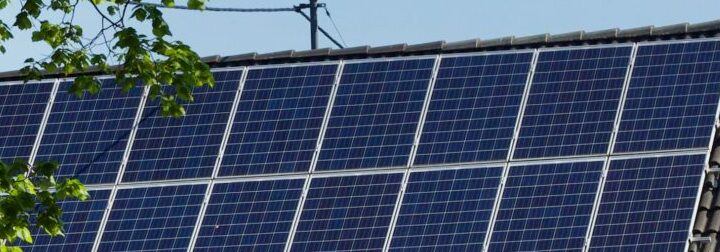

One thing that often surprises homeowners is how little time gets spent talking about the solar panels themselves.
That might sound odd coming from a renewable energy company, but after enough conversations with homeowners, landlords and business owners, a pattern starts to emerge. The projects that deliver the best long-term results are rarely the ones where somebody has spent weeks comparing panel specifications or trying to squeeze an extra panel onto the roof.
More often than not, the difference comes down to understanding how the property uses energy and what the owner wants to achieve.
We’ve had conversations with homeowners who were convinced they needed a battery before we’d even looked at their electricity usage. We’ve spoken to people who had dismissed solar altogether because their roof didn’t face due south. We’ve also met plenty who were focused on reducing their electricity bills today without considering how their energy needs might change over the next decade. None of those assumptions are unusual.
Solar has become far more mainstream over the last few years, but there is still a tendency to focus on the equipment before looking at the bigger picture. The reality is that choosing a solar system is often less about the panels themselves and more about understanding how energy fits into everyday life. That starts with a few simple questions.
How does your household actually use electricity?
Most people know roughly how much they spend on electricity each month, but far fewer know when they are using it. That distinction matters because solar generation and electricity consumption do not always happen at the same time.
A retired couple spending much of the day at home will often use energy very differently to a family where everyone leaves the house in the morning and returns in the evening. The rise in home working has changed things again, while electric vehicles, heat pumps and battery storage continue to reshape the way households think about energy. This is why annual consumption figures only tell part of the story.
When we assess a property, we’re interested in understanding how electricity fits into day-to-day life. Looking at usage patterns often reveals opportunities that would never be obvious from the electricity bill alone and helps ensure any recommendations are based on the way the property is actually used rather than generic assumptions.
Think beyond the next twelve months
Needless to say, a solar installation is not a short-term purchase. Long after kitchens have been replaced, boilers upgraded and decorating styles changed, a good solar system should still be generating electricity.
That makes future plans surprisingly important. Many of the conversations we have today would have been unusual ten years ago. Electric vehicles were far less common, battery storage was still relatively niche and very few homeowners were thinking about charging cars overnight or running heat pumps.
The pace of change shows little sign of slowing.
Nobody expects homeowners to predict exactly what their circumstances will look like in ten or fifteen years’ time, but it is worth considering where things might be heading. A system designed with flexibility in mind often provides more options later, particularly if battery storage, EV charging or heating upgrades become part of the picture.
A good roof helps. A perfect roof isn’t necessary.
South-facing roofs tend to dominate discussions about solar, largely because they have long been seen as the ideal scenario. In practice, modern solar systems are far more adaptable than many people realise.
Some of the most successful installations we’ve worked on have been fitted to east and west-facing roofs. In many cases, the way those systems generate electricity throughout the day aligns extremely well with how the household actually uses energy. That doesn’t mean roof suitability is irrelevant. Roof condition, available space, shading, access and future maintenance requirements all need to be considered. However, these factors only make sense when viewed as part of the wider picture.
Every property is different. Every roof tells a slightly different story.
A quote can tell you what somebody wants to install. It doesn’t always tell you why.
The solar market has become increasingly competitive, which has made obtaining quotes easier than ever. That’s generally a positive thing for consumers, but it can create a situation where homeowners receive several proposals without fully understanding the thinking behind them.
Two systems can look remarkably similar on paper while being designed around completely different assumptions.
The quality of the design work often becomes apparent years later rather than on installation day. That’s one reason we spend so much time asking questions. Understanding the property, the people living there and their future plans allows recommendations to be built around real requirements rather than assumptions.
The best solar systems are designed around people
After working in renewable energy for long enough, you begin to realise that the most successful solar installations are not defined by the number of panels on the roof.
They succeed because they fit the people using them.
A homeowner preparing for an electric vehicle has different priorities to somebody focused on reducing household bills. A landlord looking at future EPC requirements may approach things differently to a family planning to stay in their home for the next thirty years. The technology matters. The installation matters. The ongoing support matters. Understanding the people behind the property matters just as much. That’s why good solar advice starts with a conversation rather than a quotation.
At Solar First, we take the time to understand how a property uses energy today, where it may be heading in the future and what the owner hopes to achieve before making recommendations. If you’re considering solar and would like an honest conversation about your options, we’d be happy to help.