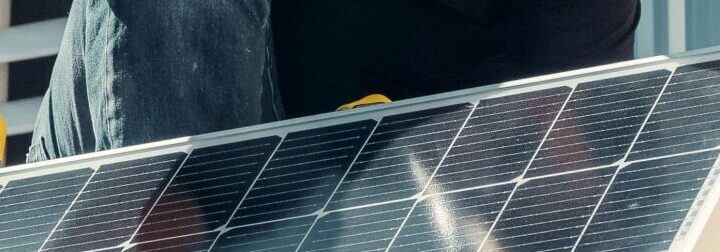

Two homes can have solar panels that look almost identical from the street and still produce noticeably different amounts of electricity over the course of a year.
That often surprises people because solar systems are easy to compare on paper. One quote might show a 4.5kWp array, another might show 5kWp, and it can be tempting to assume that the larger number will automatically mean better performance. In reality, system size is only one part of the picture.
Roof orientation, shading, panel layout, inverter choice, installation quality and the way electricity is used within the property can all influence how well a system performs. Even two homes next door to one another can end up with very different results if those details haven’t been considered properly.
That’s why a good solar design has to go much further than simply working out how many panels will fit on the roof.
The roof matters, but orientation is only part of it
South-facing roofs are generally the strongest option for maximising annual generation in the UK, although east and west-facing roofs can still perform very well. Energy Saving Trust estimates that east or west-facing systems typically generate around 15 to 20 percent less energy over the year than an equivalent system facing directly south. That figure is useful, but it doesn’t tell the whole story.
An east-facing array starts generating earlier in the day, while west-facing panels continue producing later into the afternoon and evening. For some households, that profile can line up extremely well with when electricity is actually being used.
The pitch of the roof matters too. So does the amount of usable space available, and whether panels can be positioned without awkward gaps, chimneys or other obstructions affecting the layout. This is where proper system design starts to become important. A roof should be assessed as a whole rather than judged purely on which direction it faces.
Shading can have a much bigger impact than people expect
Trees, chimneys, neighbouring buildings and roof features can all cast shade across a solar array at different points during the day. The effect is not always obvious when you look at a roof from the ground because shading changes with the time of day and the season. A chimney that barely affects the roof in summer could create a much larger shadow when the sun sits lower in winter.
MCS guidance specifically takes orientation, pitch, location and shading into account when estimating how much electricity a proposed solar system is likely to generate. Near shading can have a considerable effect on performance, which is why it needs to be assessed properly during the design stage.
Modern technology can help where shading cannot be avoided. Power optimisers and microinverters can allow panels to operate more independently, reducing the extent to which one shaded panel affects the rest of the array.
There’s still a judgement call involved though. Adding more technology does not automatically make a system better, and optimisers offer little benefit on an unshaded roof. The right approach depends entirely on the property.
Panel layout can influence the whole system
There’s often a temptation to maximise the number of panels simply because the roof space is available. This can work perfectly well, but panel count should always sit within the wider system design.
Solar panels connected to a traditional string inverter work together in groups, and the way those strings are arranged can affect performance. Panels facing different directions, receiving different levels of shade or operating under different conditions need to be considered carefully when the electrical design is put together.
A well-designed system takes those differences into account from the beginning. It makes sure the panels, inverter and electrical layout work properly together and that the system has been designed around the conditions it will actually experience on the roof. This is one of those areas homeowners rarely see because all the important decisions are made before installation begins.
The inverter has a bigger role than many homeowners realise
Panels tend to get most of the attention because they are the visible part of the system, but the inverter is doing a huge amount of work behind the scenes. It converts the direct current produced by the panels into alternating current that can be used around the home, and its specification needs to suit the size and layout of the array.
An inverter which has been selected properly should allow the panels to operate efficiently across a wide range of conditions. The design also needs to consider things such as string configuration, expected generation and whether battery storage may be added now or in the future.
Positioning matters as well. Inverters are electronic equipment and need sensible ventilation, accessibility and protection from unsuitable conditions. These details might seem minor during installation, yet they can influence reliability and performance years later.
Temperature affects solar panels too
Solar panels need daylight to generate electricity, and cooler conditions can actually be favourable for their efficiency.
Panel output is rated under standard test conditions, but the temperature of a panel sitting on a roof can rise significantly on a hot summer day. As panel temperature increases, electrical efficiency drops slightly. This sometimes catches people out because the brightest, hottest day of the year does not necessarily produce the highest instantaneous efficiency from the panels themselves.
That doesn’t mean summer is bad for solar. Longer daylight hours and stronger irradiation still make spring and summer the most productive period of the year in the UK. It simply illustrates how many variables are working together at any given time.
Installation quality shows up in performance over time
A solar system can have excellent panels and a well-known inverter and still be let down by poor installation work. Cable routes, roof fixings, inverter ventilation, connector quality and the standard of the electrical work all contribute to long-term performance and reliability. Good workmanship also makes future maintenance easier because equipment can be accessed and understood without having to unravel a rushed installation years later.
We’ve always believed this is where choosing the right installer becomes particularly important. A solar system is expected to remain on a property for decades, so the installation needs to be approached with that lifespan in mind. Tidy work is not just about appearance; it usually reflects the level of care that has gone into the whole job.
How the household uses electricity matters as much as generation
There’s another side to solar performance that often gets overlooked. A system can generate exactly what was predicted and still feel disappointing to the homeowner if most of that electricity is being exported while the household buys power back from the grid later in the day.
Generation and value are closely linked, but they are not quite the same thing. A household that uses plenty of electricity during daylight hours may naturally consume a large proportion of its solar generation as it is produced. Another household may benefit from battery storage so that excess energy generated during the day can be used later in the evening.
EV charging, heat pumps, home working and smart tariffs can all change that picture again. When we talk about a system performing well, we are therefore interested in more than the number shown on the generation meter. We want to understand how effectively the system fits the property and how much useful energy the homeowner is getting from it.
Accurate expectations matter
No installer can predict solar generation perfectly because the amount of sunlight reaching a property changes from year to year.
MCS performance estimates are designed to provide a standardised way of modelling likely generation using factors such as system size, location, roof pitch, orientation and shading. They are useful planning tools, although they should always be treated as estimates rather than guarantees. That’s why realistic advice matters from the beginning.
A good proposal should give you a clear idea of what the system is expected to produce, explain the assumptions behind those figures and highlight anything that could affect performance. If a roof has shading, you should know about it. If an east-west layout changes the generation profile, that should be explained. If battery storage is unlikely to add much value based on the way you currently use electricity, that conversation should happen too.
Good performance starts with good design
Solar panels themselves are only one part of what makes a system successful. The strongest installations bring together the property, the roof, the electrical design, the equipment and the household’s energy usage in a way that makes sense as a complete system.
That’s why two solar arrays that look almost identical can perform very differently over time.
At Solar First, we take the time to understand the property and how energy is being used before deciding what should go on the roof. That gives us the information we need to make clear recommendations and design a system around the conditions it will actually operate in. If you’re considering solar and want to understand what sort of system would work well for your property, we’d be happy to talk it through.